Spring Planning for Drip Irrigation System Repairs
Spring is the perfect time to connect with local contractors who can repair and optimize your drip irrigation system for a thriving, well-watered landscape.
Spring is a popular season for addressing drip irrigation repairs because it marks the start of the growing season when property owners are preparing their landscapes for warmer weather. After the colder months, irrigation systems can experience wear and tear, including clogged emitters, broken tubing, or pressure issues that can hinder proper watering. Taking care of drip irrigation repairs in spring helps ensure that plants and lawns receive consistent moisture throughout the season, promoting healthy growth and conserving water. This period also provides an opportunity to evaluate the entire irrigation setup, make necessary adjustments, and prevent potential problems before the peak watering months arrive.
Typically, drip irrigation repair services offered by local contractors include inspecting the entire system for leaks, replacing damaged tubing or emitters, clearing clogged components, and adjusting pressure regulators. Many service providers can also assist with upgrading or expanding existing systems to improve efficiency or coverage. The goal of these repairs is to restore optimal operation, minimize water waste, and ensure that the landscape receives the appropriate amount of moisture. Property owners may also choose to have system components cleaned or replaced to improve overall reliability and performance for the upcoming season.
When comparing local options for drip irrigation repair, property owners should consider the experience and reputation of service providers in their area. It can be helpful to review customer feedback, inquire about the types of services offered, and verify the range of system components they are familiar with. Additionally, understanding the scope of work included in their repair services can help ensure the chosen contractor can address specific system needs. By evaluating local contractors based on their expertise, service offerings, and community reputation, property owners can find a reliable partner to help prepare their irrigation systems for the spring and the months ahead.
Compare local contractors' expertise and experience to identify the best fit for your spring drip irrigation repair needs.
- Inspection and Diagnosis - Local contractors can assess drip irrigation systems to identify leaks, clogs, or damaged components.
- Repair and Replacement - Service providers can fix or replace broken emitters, valves, and tubing to ensure proper water flow.
- System Optimization - Professionals can adjust and calibrate systems for efficient watering tailored to seasonal needs.
- Preventive Maintenance - Local experts can perform inspections to help prevent future issues and extend system lifespan.
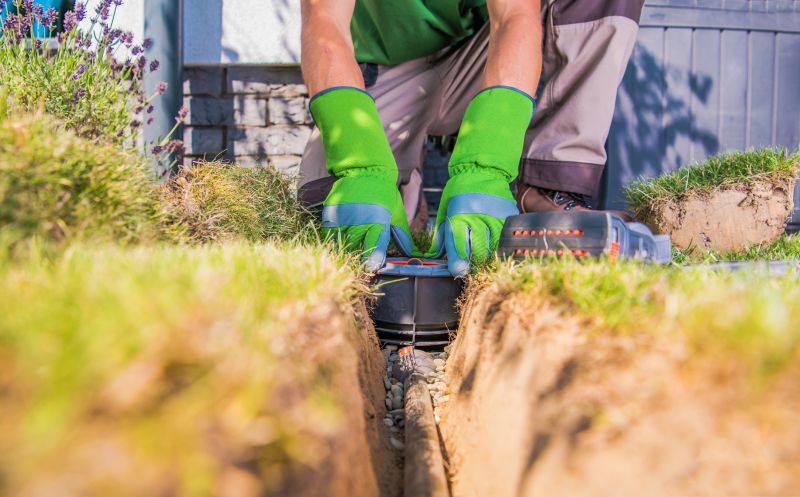
Clearly describe your drip irrigation repair needs to help local contractors compare options and provide expert solutions.
- Inspect drip emitters and tubing for clogs or damage to ensure proper water flow. - Regular checks can help identify leaks or blockages that may affect irrigation efficiency.
- Examine connections and fittings for leaks or looseness that could lead to water waste. - Tighten or replace fittings as needed to maintain system integrity.
- Look for signs of wear, such as cracks or brittleness, in the tubing and emitters. - Replacing damaged components can prevent uneven watering and system failure.
- Test the system to verify even coverage and consistent water distribution across all zones. - Adjust emitter placement or replace malfunctioning parts to improve performance.
- Clear debris or obstructions from filters and nozzles to ensure unobstructed water flow. - Regular cleaning helps maintain optimal system operation and longevity.
- Check the water pressure to confirm it aligns with manufacturer recommendations for the system. - Adjustments may be needed to optimize watering efficiency and prevent damage.
Use this as a springboard to explore how local contractors can help with drip irrigation repairs and planning.
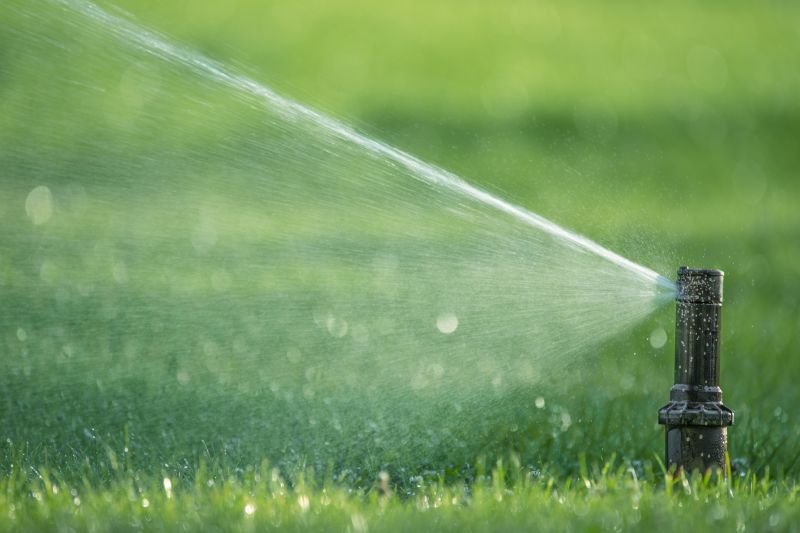
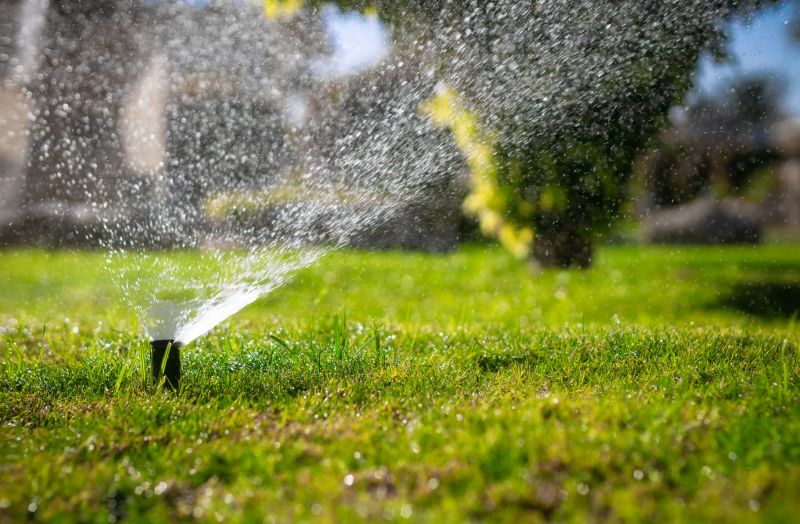
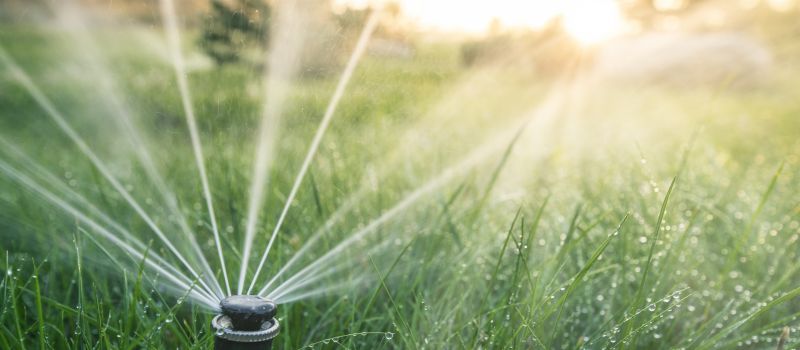
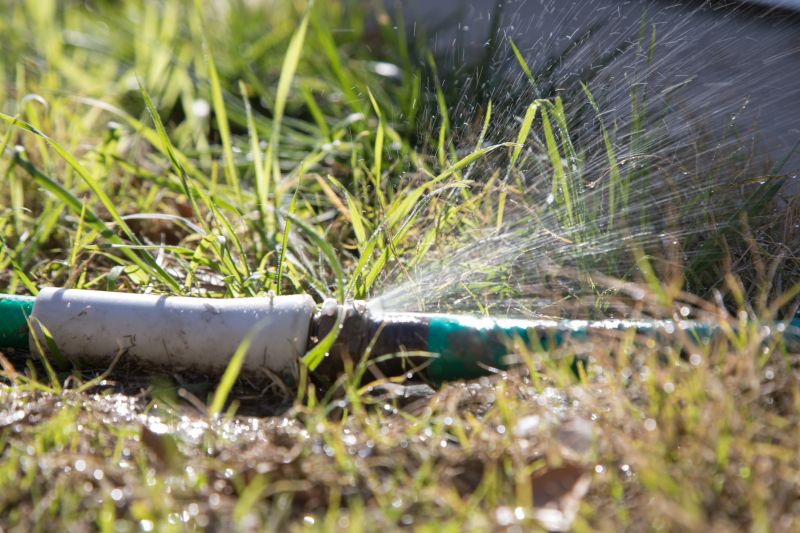
Prioritize repair needs and compare local contractors to find the best fit for your spring drip irrigation project.
- Drip Irrigation System Inspection - Spring is an ideal time to have local contractors assess existing drip irrigation systems for leaks, clogs, or damaged components to ensure efficient watering.
- Leak Repairs and Pipe Replacement - Addressing leaks and replacing cracked or broken pipes in the system can improve water delivery and prevent waste during the growing season.
- Emitter and Hose Replacement - Replacing worn or clogged emitters and hoses helps maintain consistent watering and supports healthy plant growth.
- System Calibration and Adjustment - Adjusting the flow rates and coverage areas of the system ensures plants receive appropriate moisture levels as the landscape begins to flourish.
- Valve and Controller Maintenance - Service providers can repair or replace faulty valves and controllers to optimize system operation for spring gardening needs.
Compare local contractors' drip irrigation repair services to ensure consistent quality and reliable results this spring.
- Identify damaged components - assess the drip irrigation system to locate leaks, clogs, or broken emitters that require repair.
- Check water pressure and flow - ensure the system maintains proper pressure and flow rates for effective operation.
- Inspect tubing and fittings - examine all tubing, connectors, and fittings for cracks, blockages, or loose connections.
- Verify emitter functionality - test each emitter to confirm proper water distribution and identify any that need replacement.
- Assess filter and valve operation - review filters and valves to ensure they are clean and functioning correctly for system efficiency.
When selecting a service provider for drip irrigation repair during the spring season, it’s important to consider their experience with similar projects. Homeowners should look for local contractors who have a proven track record of working on irrigation systems comparable to their own. An experienced professional will be familiar with common issues that arise during spring, such as clogged emitters or damaged tubing, and will know how to address these efficiently. Verifying the background of local pros through references or project portfolios can help ensure that they possess the practical knowledge needed to handle the specific challenges of springtime irrigation repairs.
Clarity in the scope of work is essential when evaluating different service providers. Homeowners should seek out local contractors who can clearly outline what is included in their repair services, such as diagnosing leaks, replacing damaged components, or adjusting system zones. A detailed, written scope helps prevent misunderstandings and ensures that both parties are aligned on the expectations for the project. Clear communication about what the repair entails can also assist homeowners in assessing whether a provider’s approach aligns with their specific irrigation needs.
Work planning considerations are another key factor when comparing local pros for drip irrigation repairs. Homeowners should inquire about how each contractor plans to approach the repair process, including steps for diagnosing issues, ordering parts, and completing the work efficiently. Understanding a provider’s planning process can reveal their level of organization and professionalism, as well as how they prioritize minimizing disruption during the repair. Well-structured planning can contribute to a smoother project execution, especially during the busy spring season when irrigation systems are in high demand.
Finally, evaluating options without focusing solely on prices involves examining how each local contractor approaches the project and their overall professionalism. Homeowners can assess the quality of communication, responsiveness to inquiries, and the thoroughness of their proposals or estimates. Considering factors such as the provider’s experience, clarity of scope, and work planning can help determine which service provider is most likely to deliver reliable, effective drip irrigation repairs. This approach ensures that choices are based on expertise and service quality, rather than cost alone, leading to more satisfactory results for springtime irrigation projects.
Request written details to ensure clear scope and expectations for your spring drip irrigation repair project.
- **Scope of Repair Services** - What specific drip irrigation repair tasks do local contractors typically handle?
- **Provider Comparison** - How do different service providers vary in their approach to springtime drip irrigation repairs?
- **Service Scope Clarification** - Are there differences in the types of repairs or maintenance that local contractors include in their offerings?
- **Repair Capabilities** - Which local service providers have experience with common spring-related issues in drip irrigation systems?
- **Service Coverage** - Do different providers offer comprehensive repair services that address both minor and major drip irrigation problems?
How do I know if my drip irrigation system needs repairs? Signs such as uneven watering, clogged emitters, or visible leaks can indicate that a drip irrigation system requires repair. Consulting with local contractors can help identify issues and recommend solutions.
What are common problems that affect drip irrigation systems in spring? Common issues include clogged emitters, broken tubing, and pressure problems, which often become apparent after winter and need attention before the growing season.
How can local service providers assist with drip irrigation repairs? They can diagnose system issues, replace damaged components, and ensure proper system operation to support healthy spring planting and watering schedules.
What maintenance steps can help prevent drip irrigation problems during spring? Regular inspection for leaks, cleaning or replacing clogged emitters, and checking water pressure can help maintain system performance and prevent repairs.
Are repairs to drip irrigation systems complicated? Repairing a drip system can range from simple emitter replacements to more involved tubing repairs, which local contractors are equipped to handle efficiently.
How does springtime affect the need for drip irrigation repairs? Spring often brings increased use and system activation, which can reveal or cause issues that require professional repair or adjustment to ensure optimal watering for the season.
Spring is an ideal time to ensure your irrigation system is functioning properly, especially when it comes to drip irrigation repairs. Visitors have learned that addressing leaks, clogs, or damaged components can help maintain efficient watering and support healthy landscaping. By exploring local contractors who specialize in drip irrigation repair, homeowners can find the right professionals to handle seasonal adjustments and system maintenance.
Comparing options through the quote form allows visitors to connect with local service providers who can assist with their drip irrigation needs. This process makes it easier to evaluate and choose among qualified contractors in the area, ensuring the right support for springtime irrigation projects.
Providing clear details about your drip irrigation repair needs helps local contractors understand your project better.
- Common Issues - Share details about specific problems with your drip irrigation system, such as leaks or clogged emitters.
- System Details - Provide information about the type and size of your existing irrigation system and its components.
- Repair Goals - Describe what you hope to achieve with the repair, such as restoring proper water flow or fixing damaged lines.
- Property Information - Share relevant details about your landscape or garden to help local contractors assess the scope of work.