Compare Local Contractors for Inground Sprinkler Installation
Compare local contractors for inground sprinkler installation to define scope, verify experience, and set clear expectations in writing for a successful project.
Inground sprinkler installation projects typically involve designing and setting up a system that efficiently delivers water across a landscape to keep lawns, gardens, and other planted areas healthy. This work includes planning the layout of sprinkler heads, digging trenches for piping, installing valves, and connecting the system to a water source. Ensuring proper coverage and functionality requires attention to detail and experience, especially when working within the specific terrain and landscape features of a property. Property owners should consider the scope of work carefully, including the number of zones, types of sprinkler heads, and any integration with existing irrigation controls, to ensure the system meets their watering needs effectively.
Defining the scope of an inground sprinkler installation is a crucial step in managing expectations and avoiding misunderstandings. Clearly outlining the desired coverage areas, types of sprinkler heads, and any special features helps property owners and service providers stay aligned throughout the project. Writing down the agreed-upon scope also provides a reference point should questions or issues arise later. When comparing local contractors, it’s beneficial to inquire about their experience with similar projects and to verify their understanding of the scope. This can help ensure the chosen service provider has the capability to deliver a system that aligns with the property’s landscape and watering requirements.
Property owners can effectively compare local contractors by reviewing their experience, reputation, and the scope of services offered. Asking for references or examples of past work can provide insight into their expertise with inground sprinkler systems. It’s also helpful to verify whether the contractors are clear about the scope of work they typically handle and if they are willing to provide a detailed written proposal. A thorough comparison involves assessing each service provider’s ability to address specific landscape needs, their communication style, and the clarity of their project descriptions. This approach helps property owners select a contractor who can deliver a reliable, well-designed irrigation system tailored to their property’s unique conditions.
Compare local contractors by outlining project priorities, verifying experience, and setting clear expectations in writing.
- Compare Contractor Credentials - Verify the experience and reputation of local service providers to ensure quality work.
- Define Project Scope Clearly - Establish detailed expectations and requirements before starting the installation process.
- Request Written Estimates - Obtain clear, itemized project details to facilitate accurate comparison between contractors.
- Assess Communication and Professionalism - Choose contractors who provide transparent information and demonstrate reliable communication.
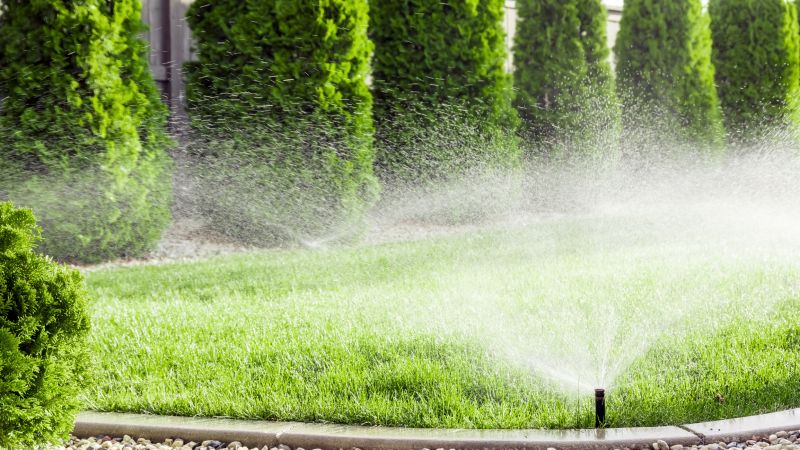
Clearly describe your inground sprinkler project to help compare local contractors, define scope, verify experience, and set expectations in writing.
- Verify that the service provider has experience with inground sprinkler systems and understands local soil and landscape conditions. - Ensure the scope of work is clearly defined and documented in writing to prevent misunderstandings.
- Assess whether the contractor offers a detailed plan for system layout, including sprinkler head placement and zone division. - Confirm that the installation plan considers water pressure, coverage, and efficiency.
- Check that the contractor provides a clear explanation of the installation process and any necessary site preparations. - Look for transparency in the steps involved and potential disruptions during installation.
- Confirm that the service provider discusses system components, such as valves, controllers, and piping materials, to ensure compatibility and quality. - Make sure all parts meet local standards and are suitable for the intended use.
- Determine if the contractor explains the testing and adjustment procedures to ensure proper system operation before project completion. - Verify that the system will be tested for coverage, leaks, and functionality prior to finalizing the work.
Compare local contractors, clarify project scope, verify experience, and set clear expectations in writing.
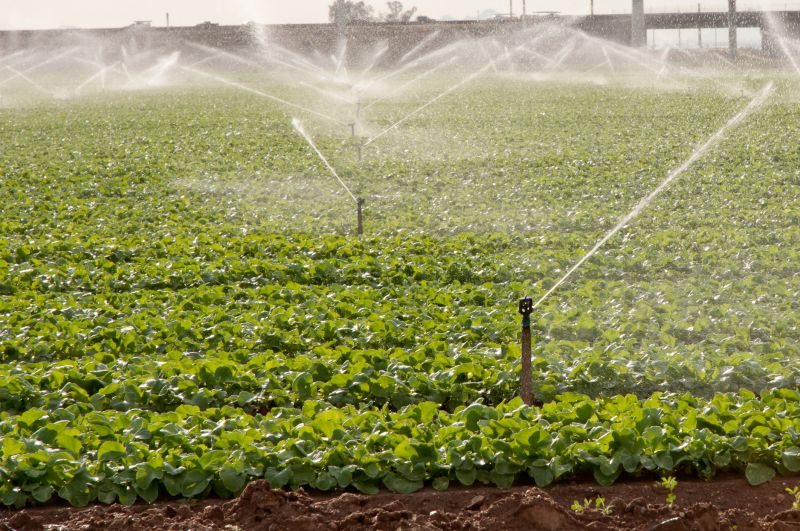
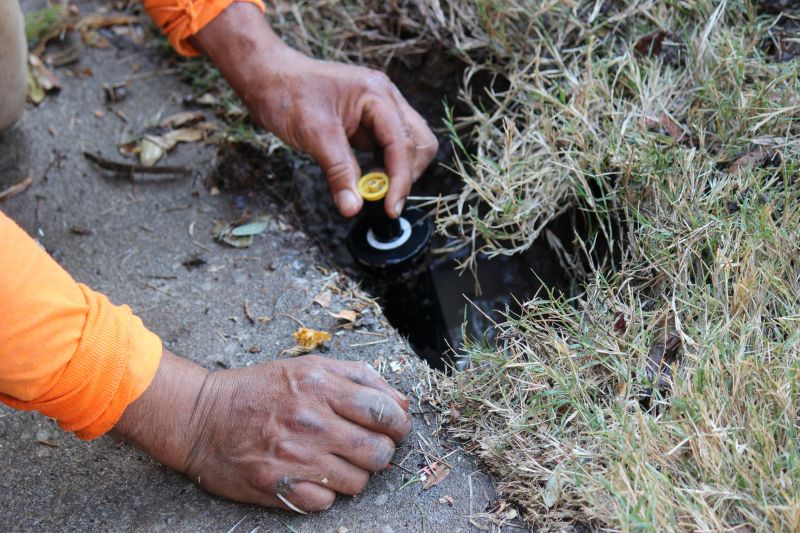
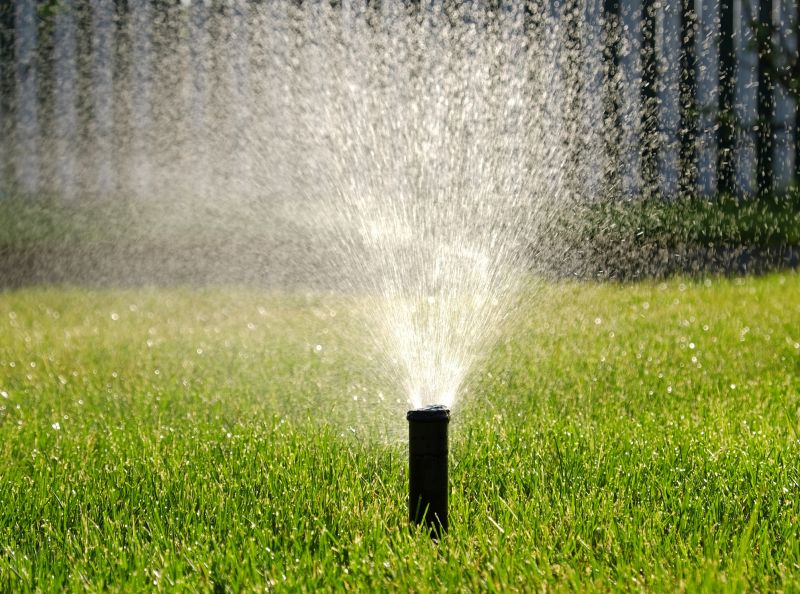
Use consistent comparison criteria to evaluate local contractors’ scope, experience, and written expectations for sprinkler installation.
- Project Scope - Clearly define the extent of the sprinkler installation, including coverage areas and specific zones.
- Site Assessment - Evaluate the landscape layout, soil conditions, and existing irrigation infrastructure to inform the installation plan.
- Design Specifications - Establish the layout, pipe routing, sprinkler head types, and control system requirements for the project.
- Material Selection - Specify the types and quality of materials, such as piping, sprinkler heads, and controllers, to be used.
- Installation Expectations - Outline the installation process, including trenching, wiring, and testing procedures, to ensure clarity with service providers.
When evaluating contractors for inground sprinkler installation, it’s important to consider their experience with similar projects. Homeowners should inquire about the types of landscapes and systems the contractor has installed in the past, ensuring they have a track record of handling properties comparable in size and complexity. A contractor with relevant experience is more likely to understand potential challenges and deliver a system that functions effectively within the specific conditions of the site.
A clear, written scope of work is essential for setting expectations and avoiding misunderstandings. Service providers should be willing to outline the details of the project, including the number of zones, types of sprinkler heads, placement strategies, and any additional features or modifications. Having this information in writing helps ensure both parties are aligned on what the installation will entail and provides a reference point throughout the project.
Verification basics are crucial when comparing contractors. Homeowners should verify that the service providers are knowledgeable about the fundamentals of sprinkler system design and installation. This includes understanding how to properly plan the layout, ensure coverage, and identify potential issues such as water pressure or drainage concerns. Asking about the contractor’s approach to system testing and quality assurance can provide insight into their familiarity with verification practices that contribute to a reliable, long-lasting system.
When evaluating options among local contractors, it’s helpful to review how they communicate their approach and scope of work in writing. Consider their professionalism in providing detailed proposals and their ability to explain technical aspects clearly. Comparing the thoroughness of their scope, their experience with similar projects, and their approach to verification can help homeowners make informed decisions. This process ensures that expectations are well-defined and that the selected service provider has the expertise needed to handle the installation effectively.
Ask contractors to provide written scope details to ensure clear expectations and consistent project understanding.
- Experience and Expertise - What is the contractor’s experience with inground sprinkler installation projects similar to the scope needed?
- Scope of Work - How will the service provider define and document the specific tasks and deliverables included in the installation?
- Materials and Equipment - What types of sprinkler systems, components, and tools do the local contractors typically use for installation?
- Project Expectations - How do the contractors clarify the installation process, coverage area, and system design in writing?
- Comparison Criteria - What factors should be considered when evaluating different service providers beyond price and timeline?
How can I compare contractors for inground sprinkler installation? Research multiple service providers by reviewing their experience, scope of work, and reputation to identify the best match for the project.
What should I consider when defining the scope of my sprinkler installation? Clearly outline the area to be irrigated, desired system features, and any specific landscape requirements to ensure contractors understand the project.
How do I verify a contractor's experience with sprinkler systems? Ask for details about their previous projects, years of experience, and whether they have worked on similar installations in your area.
Why is it important to have the project scope in writing? Having a detailed written scope helps set clear expectations, prevents misunderstandings, and provides a reference for the completed work.
What questions should I ask a contractor before hiring? Inquire about their process, materials used, warranties offered, and how they handle project customization and unforeseen issues.
How can I ensure the contractor understands my specific irrigation needs? Communicate your landscape layout, watering preferences, and any special considerations to help the contractor tailor their services accordingly.
By exploring the information provided, visitors can better understand the importance of defining the scope of their inground sprinkler installation, verifying the experience of local contractors, and establishing clear expectations in writing. This approach helps ensure the project aligns with individual needs and minimizes misunderstandings. Using the quote form allows for easy comparison of options, empowering homeowners to find the service providers best suited to their specific requirements.
Taking a few moments to utilize the quote form can assist in connecting with trusted local contractors who specialize in inground sprinkler installation. Comparing different service providers based on scope, experience, and written agreements helps make informed decisions. This process supports finding the right professionals to handle the job, tailored to the unique details of each project.